
Indonesia is one of the largest markets in Southeast Asia and its customs regulations play an important role in managing the flow of imported and exported goods. For companies that ship cargo into or out of Indonesia, understanding these rules is essential to avoid delays, penalties, and unexpected costs.
Customs procedures in Indonesia are managed by the Directorate General of Customs and Excise under the Ministry of Finance. Every shipment must go through a series of checks to ensure the cargo meets all legal and safety requirements. This includes proper documentation, accurate classification of goods, and full compliance with import and export regulations.
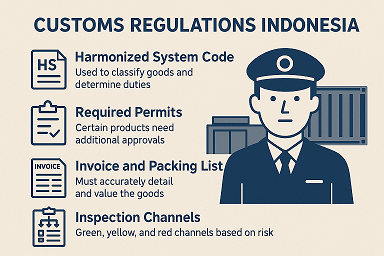
One of the most important elements in Indonesian customs is the correct use of the Harmonized System Code or HS Code. This code determines the applicable import duty, tax, and any special regulation that may apply to the product. Incorrect HS Code usage can lead to reinspection, fines, or rejection of the cargo. A knowledgeable customs partner will ensure the classification is accurate from the start.
Indonesia also requires specific permits for certain categories of products. Items such as electronics, food and beverages, cosmetics, chemicals, medical equipment, and used goods often need additional approvals from relevant government agencies. Without the proper permits, shipments can be held at the port for a long time which increases storage and demurrage costs.
Another important requirement is the preparation of a complete invoice and packing list. These documents must clearly describe the quantity, unit price, total value, and detailed specification of the goods. Customs officers rely on this information to confirm the accuracy of declarations. Clear and honest documentation helps avoid unnecessary examination and supports faster clearance.
Indonesia uses a risk based inspection system that separates shipments into three channels. The green channel allows goods to pass quickly with electronic checks only. The yellow channel requires document review while the red channel involves physical inspection. The choice of channel depends on the company profile type of goods and compliance history. Companies with strong compliance records have a higher chance of entering the green channel.
Professional customs clearance also helps importers manage taxes that apply during the clearance process. These include import duty value added tax income tax and sometimes luxury goods tax. Understanding the correct calculation ensures accurate budgeting and prevents unexpected charges.
In a competitive global market efficient customs clearance is essential. Working with an experienced logistics partner ensures your shipments meet all Indonesian regulations enter the correct inspection channel and move smoothly through the port. This reduces risk saves time and keeps your supply chain running without disruption.
Go to Indonesia Customs for more information: Indonesia Customs/Beacukai
Leave a Reply