

Introduction
In international shipping, delays are not just inconvenient. They can disrupt your entire supply chain, impact customer satisfaction, and increase operational costs.
Whether you are shipping commercial goods or personal belongings, understanding why shipments get delayed is the first step to preventing costly mistakes.
In this article, we break down the most common causes of shipping delays and how you can avoid them.
Incomplete or Incorrect Documentation
One of the most common reasons for delays is documentation errors.
Missing or incorrect documents such as:
- Invoice
- Packing list
- Bill of Lading
- Customs declaration
Even a small mismatch such as weight, value, or description can cause your shipment to be held at customs.
How to avoid it:
- Double check all documents before shipment
- Ensure consistency across all paperwork
- Work with an experienced freight forwarder
Customs Clearance Issues
Customs is a critical checkpoint and often a major source of delays.
Issues may include:
- Incorrect HS Code
- Missing permits
- Restricted or prohibited items
- Random inspections
In Indonesia and many other countries, clearance procedures can vary and require precise compliance.
How to avoid it:
- Understand import and export regulations
- Prepare all required documents in advance
- Use a forwarder with strong customs expertise
Poor Packaging
Improper packing does not only risk damage. It can also delay your shipment.
Examples:
- Fragile items not properly protected
- Oversized or non standard packing
- Unsecured cargo inside containers
Damaged or unstable cargo may be flagged during handling or inspection.
How to avoid it:
- Use professional packing methods
- Apply multi layer protection such as foam, bubble wrap, and carton
- Follow international packing standards
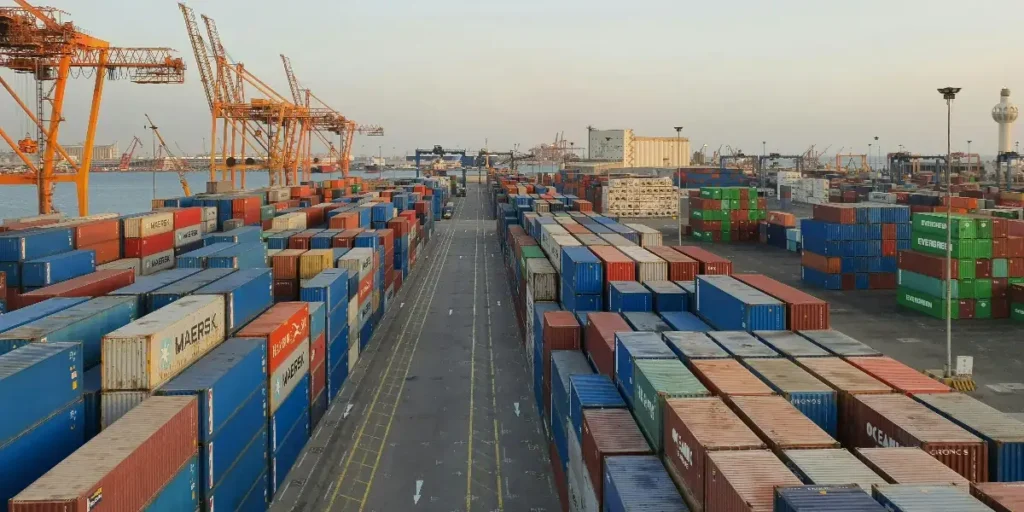
Port Congestion and External Factors
Sometimes, delays are beyond your control.
Common external causes include:
- Port congestion
- Bad weather
- Labor shortages
- Global supply chain disruption
These factors can delay vessel schedules or cargo handling.
How to avoid it:
- Plan shipments in advance
- Avoid peak seasons if possible
- Choose reliable shipping routes and partners
Incorrect Freight Planning
Choosing the wrong shipping method can also lead to delays.
For example:
- Using sea freight for urgent shipments
- Miscalculating transit time
- Poor coordination between origin and destination
How to avoid it:
- Select the right mode between air and sea freight
- Understand realistic transit time expectations
- Work with a forwarder who can plan end to end logistics
Lack of Communication
Poor coordination between shipper, forwarder, and consignee often causes unnecessary delays.
Miscommunication can result in:
- Missed deadlines
- Incorrect delivery instructions
- Delayed document submission
How to avoid it:
- Maintain clear communication with all parties
- Track your shipment regularly
- Ensure all stakeholders are aligned

Conclusion
Shipping delays can happen, but most of them are preventable with proper planning, accurate documentation, and the right logistics partner.
By understanding these common issues, you can reduce risks, avoid unnecessary costs, and ensure a smoother shipping process for your business or personal needs.
At PT Panji Anugerah Pacific, we provide end to end freight forwarding solutions from documentation and customs clearance to final delivery, ensuring your shipment moves efficiently and securely.
If you are looking for a reliable logistics partner who understands your needs and delivers with precision, our team is ready to support you.
Contact us today to get consultation and competitive shipping rates.
Leave a Reply