
Introduction
Indonesia is one of Southeast Asia’s fastest-growing trade hubs. However, navigating import and export processes can be complex due to regulations, documentation, and logistics coordination.
Freight forwarding plays a critical role in ensuring goods move efficiently from origin to destination. For businesses, choosing the right partner is not just about cost; it is about reliability, compliance, and control over the supply chain.
What Is Freight Forwarding
Freight forwarding is a service that organizes the shipment of goods from one location to another through a network of carriers. It covers:
- Transportation planning (air, sea, land)
- Documentation handling
- Customs clearance coordination
- Cargo consolidation and distribution
A freight forwarder acts as a logistics partner, ensuring shipments arrive safely and on time.
Import Process in Indonesia
Understanding the import process is essential to avoid delays and penalties.
1. Shipment Planning
Before goods are shipped, businesses must:
- Determine HS Code classification
- Confirm import permits (if required)
- Choose the right shipping mode
2. Documentation Preparation
Key documents include:
- Commercial Invoice
- Packing List
- Bill of Lading or Airway Bill
- Import License (API)
3. Customs Clearance
Once goods arrive in Indonesia:
- Documents are submitted to customs
- Duties and taxes are calculated
- Physical inspection may occur
4. Delivery to Final Destination
After clearance:
- Cargo is released
- Delivered to the warehouse or project site
Export Process from Indonesia
Exporting follows a similar structured flow:
1. Cargo Readiness
Goods must meet export requirements and packaging standards.
2. Export Documentation
- Commercial Invoice
- Packing List
- Export Declaration (PEB)
3. Customs Approval
Indonesian customs verifies documentation before shipment departure.
4. International Delivery
Cargo is shipped via air or sea to the destination country.
Air Freight vs Sea Freight
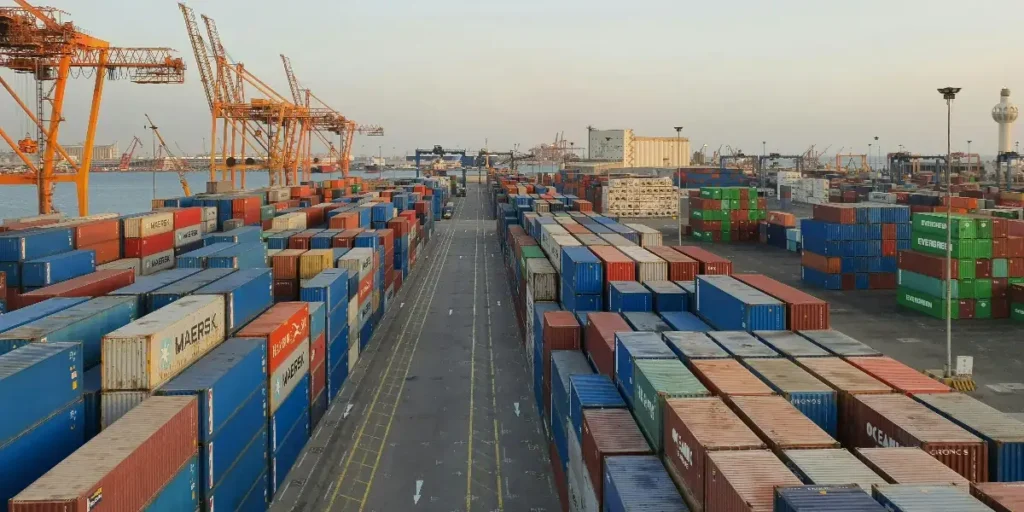
Choosing the right mode impacts cost and delivery time.
Air Freight
- Faster delivery (1–7 days)
- Higher cost
- Suitable for urgent or high-value cargo
Sea Freight
- More economical for large shipments
- Longer transit time (2–6 weeks)
- Ideal for bulk cargo
Common Challenges in Indonesian Logistics
Many businesses face similar issues:
- Customs clearance delays
- Incorrect documentation
- Unexpected costs
- Limited visibility on shipment status
Without proper handling, these challenges can disrupt operations and increase costs.
Why Work with PT Panji Anugerah Pacific
Now in PT Panji Anugerah Pacific, we go beyond standard logistics services.
We focus on:
- End-to-end shipment management
- Compliance with Indonesian regulations
- Cost-efficient logistics solutions
- Reliable coordination across all shipment stages
Our goal is simple: to ensure your cargo moves smoothly without unnecessary delays or complications.

Conclusion
Freight forwarding in Indonesia requires more than basic coordination. It demands expertise, planning, and the ability to handle unexpected challenges.
By working with the right logistics partner, businesses can improve efficiency, reduce risk, and gain better control over their supply chain.
Leave a Reply